
This driver was pursued for brake-checking the cyclist who recorded the clip. And now West Midlands Police want others to submit self-recorded footage, like this cyclist did, so more offending is detected.
While the Irish justice system is struggling with the concept of introducing close pass legislation, one police force in the UK is showing the way.
West Midlands Police devised Operation Close Pass. It has aimed to educate drivers about the need to give cyclists room when passing.
And when some do not get the message, prosecutions – involving penalty points and fines – take place.
- Video: Cops undercover (as cyclists) to catch close-pass drivers
- PSNI undercover as cyclists on club spins to catch close pass drivers
The operation has been a huge success and has won the police force significant kudos at home and internationally, as well as plenty of awards.
It was so successful that it has been copied by a large number of British police forces. Videos recorded by cyclists have been used to form the basis of many cases.
Advertisement
The Irish Government had agreed to follow the example and introduce close pass legislation but then backtracked, saying it wasn’t possible in Ireland.
West Midlands Police is having no such problems. And one interesting spin-off from its cycling campaign is that other forms offending are now being detected using self-recorded video.
Cyclists using the footage in this way, and West Midlands Police being willing to act on the footage, has now effectively spread to other types of offenders and road users.
Many prosecutions, not just for passing cyclists too closely, have taken place using footage recorded by road users and supplied to West Midlands Police.
So successful has the scheme been that over 1,400 prosecutions have been secured using footage recorded by the public.
And now the West Midlands Police has moved to make it even easier for cyclists, and others, to submit their video of alleged law-breaking.
West Midlands Police has just released video footage, below, of a road rage driver pulling a hazardous “brake test" manoeuvre on a cyclist.
The driving in the above video was record on the cyclist’s helmet camera. The driver was charged with driving without due care and attention.
Related News


He pleaded guilty and was fined £1,200 as well as being sanctioned with three points on his licence.
West Midlands Police say it is an example of the kind of offending it is now seeking to target by making it easier for people to submit video footage they have recorded themselves.
It has a new online process that people can use to send in video. And those wishing to do so are asked to confirm from the outset whether they are willing to be a witness in court.
Information about an incident and the person's contact details must also been supplied with the video; the process can be viewed by following this link.
PC Mark Hodson from the force’s Road Harm Reduction Unit said the ultimate aim is to make West Midlands roads safer.
“We’ll explore all possible ways to reduce the number of people killed or seriously hurt on our roads,” he said.
“We launched Operation Close Pass two years ago targeting motorists who endanger cyclists by overtaking too close.
“That’s led to a 20 per cent reduction in the number of cyclists killed or seriously hurt in collisions. The majority of road users are considerate and pose no risk to others.
"But inconsiderate, dangerous drivers need to understand there is now a better chance than ever that we will catch and prosecute you."
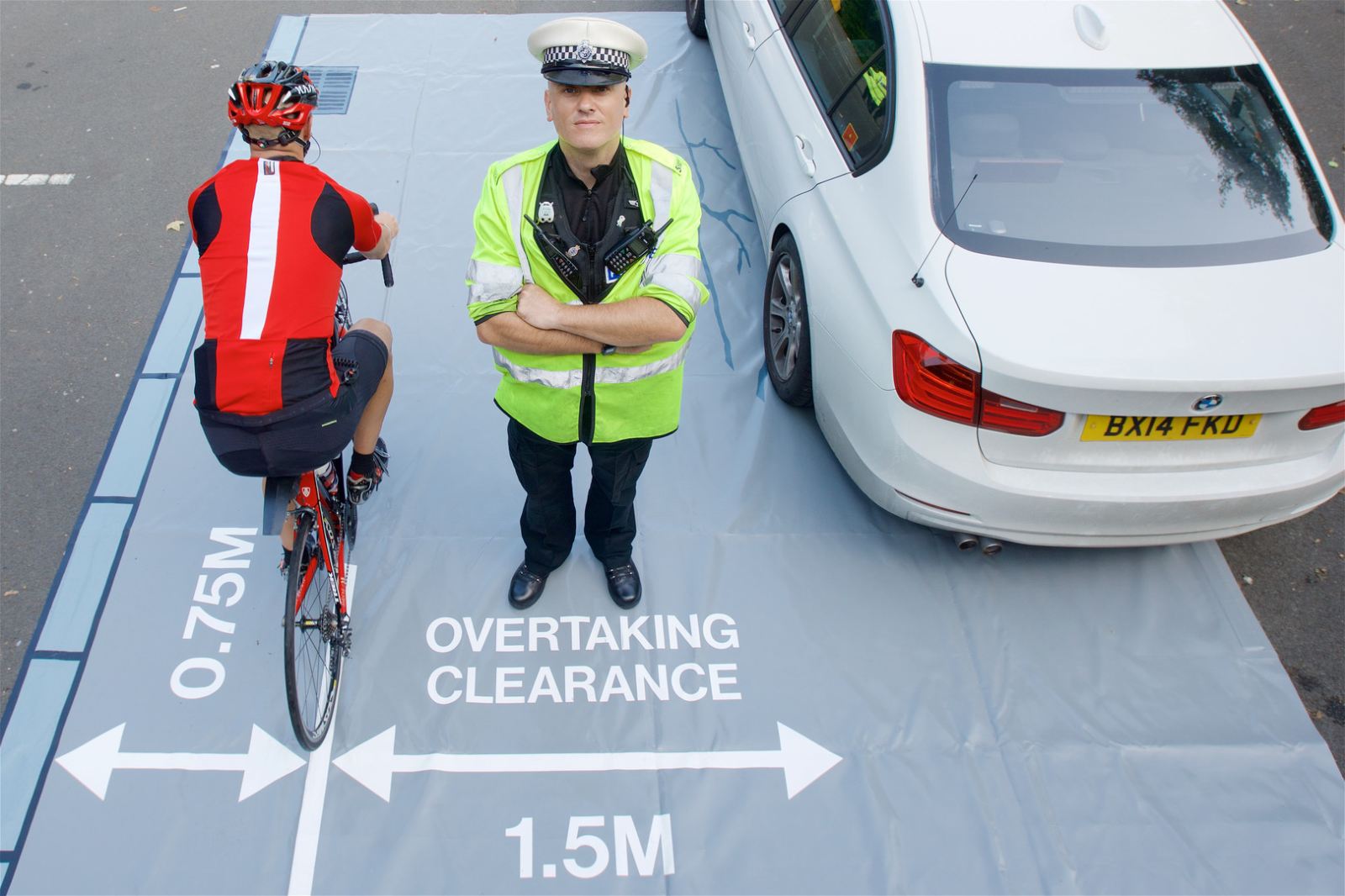
West Midlands Police's cyclist close pass operation has been hugely successful. It is now seeking to use video as evidence in the same way when tackling other offending.
Stuart Baker from the force’s Traffic Process Office said he expects the number of people caught offending using video as evidence to increase now that it has launched its ‘third party reporting portal’.
While the portal is referred to as being for "dashcam" footage, the West Midlands Police has said that includes footage from bike or helmet cameras.
He said: “We’re receiving up to 80 submissions a month from members of the public into our Traffic Process Office where it is reviewed and a decision made over whether to prosecute.
“Until now people have been contacting us via email, handing over discs or alerting us to footage on social media.
“But we’ve now streamlined the process by launching an online portal where details of offences, photos and videos can be uploaded."
Topics


