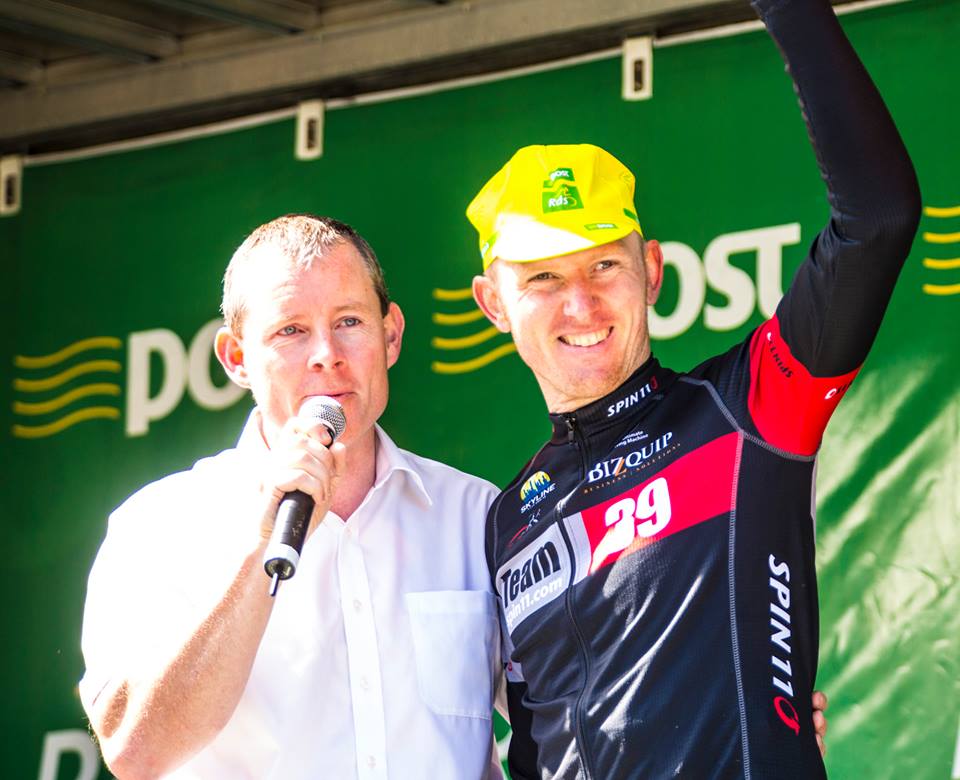
Eugene Moriarty has just joined the board of Cycling Ireland and having lived in Holland he's seen cycling culture at its best.
By Brian Canty
Eugene Moriarty is one of the most experienced Irish riders still competing. The Listowel man, who lives and works in the Netherlands, was recently appointed to the board of Cycling Ireland and he told us a little bit about what he plans to do over the next two years of his tenure.
His position is multi-faceted and though a road ride at heart, he will be tasked with many other responsibilities from Governance to administration to performance.
Along with the other seven directors, he will oversee the executive and the statutory responsibilities of Cycling Ireland as well as determining the future strategic direction of the organization as a whole.
Advertisement
“Ultimately, it means making decisions in the best interests of cycling in Ireland for the long term,” is how the former international described what he’ll be doing.
“At a minimum, it entails attending formal board meetings at least once a month.
“I’ll be working with our many commissions, committees, members and employees on an ongoing basis; assimilating lots of information from varied sources and getting the best out of our limited finances."
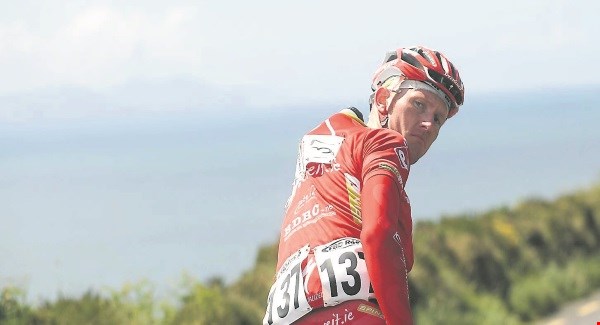
Moriarty reckons Ireland can learn a lot from countries like the Netherlands and New Zealand in terms of how they channel their resources and their funding.
An area in need of attention, he feels, is that of succession.
“I believe it’s an area greatly overlooked and not just in the context of road cycling,” he said.
“We need to keep our members in the sport for life and continue to expand our membership in the face of a hugely different social, economic and environmental landscape compared to 10, 20 or 30 years ago.
“From the grassroots up and the board down, we collectively need to address the reliance we have on the people we all know who volunteer, steward, drive support vehicles, motor bike marshal, do the administrative work and run events year in, year out, for decades in many cases.”
In that respect “encouraging and supporting” more people to make the transition from being purely a participant, whether leisure or competitive, to becoming involved off the bike.
“This can mean working with underage, running events, being on commissions or ultimately on boards.
Related News


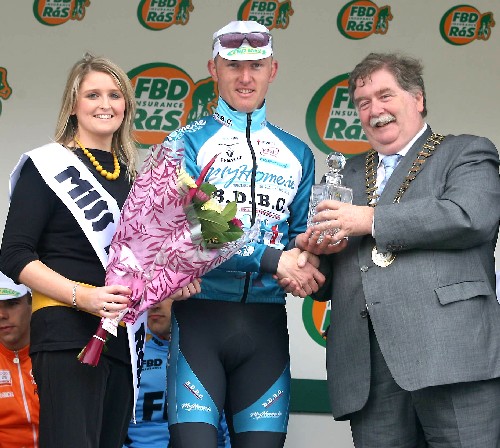
Moriarty is one the real Rás stalwarts and has stood on the podium more times than he cares to remember during his career. His mandate for his role as a member of the Board of Cycling Ireland will entail a lot of different responsibilities and be a lot wider than just about performance in competition.
“This will help sustain and build an even more successful organisation, which will benefit road and cycling in general.”
In his adopted country, Moriarty has seen first-hand the benefits of a velodrome and a dedicated cycling infrastructure.
And armed with that knowledge he wants to try and implement change here as well.
“In my opinion at least one world-class, sustainable, 250m indoor velodrome is a truly essential part of national sports infrastructure that the island of Ireland is lacking.
“This is especially evident when we compare ourselves to other countries of similar size like New Zealand.
“However, it has to form part of a much wider, more comprehensive and much longer term plan for our sport.
“We need to ensure all our infrastructure is not just seen through the narrow lens of competitive or high performance cycling.
"We must show it also caters to, and is accessible to, anyone who would like to avail of it.
“Here in Amsterdam, I’ve seen first-hand how well a velodrome can be used, especially in winter and not just by competitive track riders.
“Current and former road riders, retirees, off road riders, students, school children, leisure cyclists and even skaters and the corporate teambuilding sector use it.
“With the right skills, anyone, able-bodied or not, can enjoy the excitement of arguably the most elegant incarnation of cycle sport there is in a safe, controlled, indoor environment.
“If marketed the right way over time, I believe we could develop an even more successful, broad based, indigenous track scene, quite distinct from, but complimentary to the high performance side of cycling.”
Interestingly, on the subject of infrastructure Moriarty pointed out that the needs of motorists come second to cyclists.
“When refurbishing existing urban streetscapes, planning new roads or intersections they plan for the most free-flowing unobstructed cycling infrastructure possible as top priority. Only then do they address the needs of vehicles.
“The upshot is that whether you’re a child cycling to school, commuter, leisure cyclist or a racer the correct infrastructure affords you a choice and most people here choose the bike, because it is easier, healthier, cheaper and most times faster.
“Broadly speaking, I just hope I can contribute to leaving our organization and sport in a better place for the generations to come in all aspects of cycling.
“I also hope that over time, we can begin to put in place a system to consistently reach out to our former competitive members at home and abroad for support.
“We must aim to tap into the huge constituency of people throughout the island of Ireland who either just love to watch events like the Rás, The Tour de France, or just like to ride a bike. To help make their cycling lives better.”
Topics


