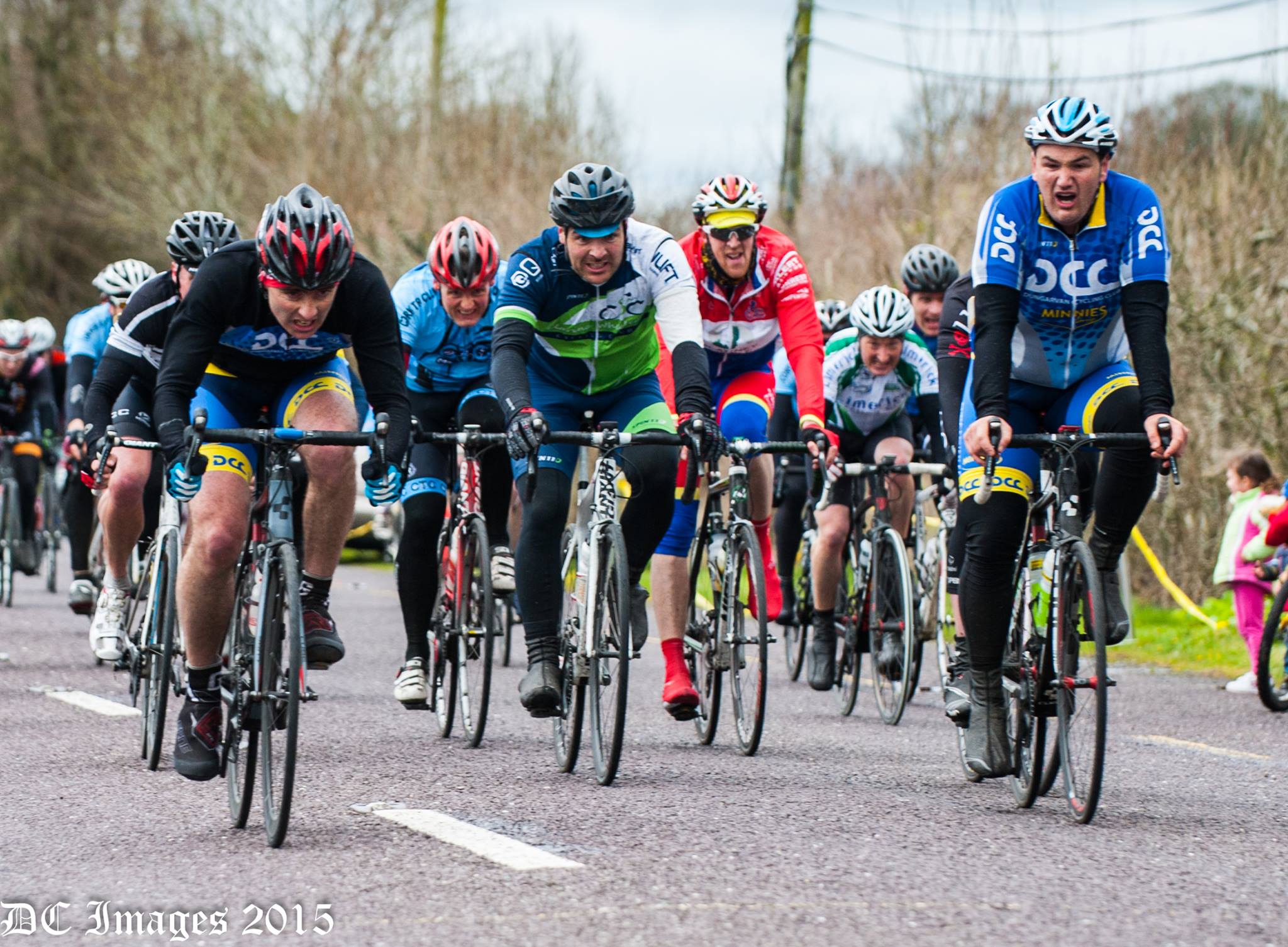
Racing is only one part of the Irish cycling scene and it is leisure cycling that has driven runaway growth. But that growth has now stopped and Cycling Ireland believes its membership has now peaked (Photo: DC Images)
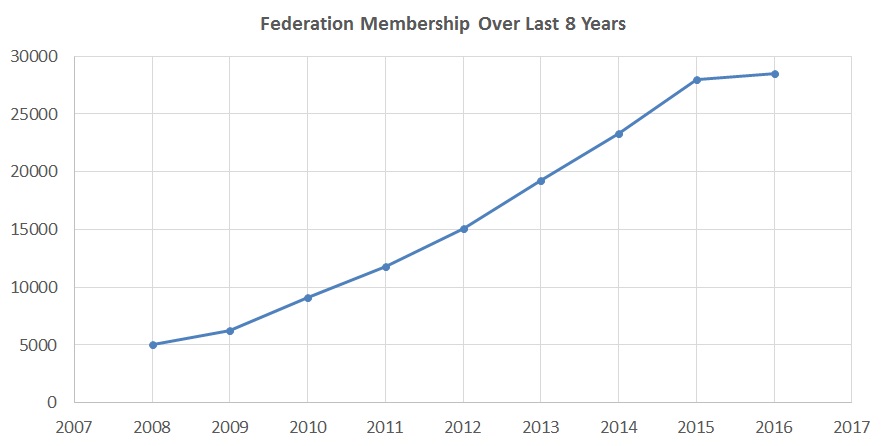
Having risen annually by about 20 per cent for a prolonged period, Cycling Ireland membership growth has now stalled for the first time.
The national federation has 28,000 members, but growth slowed to just two per cent last year and now the organisation believes those numbers have peaked.
If proven correct it signals an end, not to the cycling boom, but to the boom in the number of people taking out Cycling Ireland membership.
And for the first time ever the churn in numbers of people who have joined Cycling Ireland and left has become clear.
Advertisement
While there are currently 28,000 members, the organisation has 60,000 people on its database.
It means about half the cyclists who joined in the boom years have left, or simply allowed their membership to lapse.
That churn, though perhaps not unexpected, underlines the extent of the challenge for Cycling Ireland’s stated aim of retaining those members currently on its books as active.
Related News


The graph shows while numbers are still increasing, the boom growth is over. Numbers for this year will be interesting for assessing any decline.
In his report to the organisation’s annual conference, Cycling Ireland chief executive Geoff Liffey suggested the national governing body was now in a new phase.
“One change in the federation’s outlook has been the sharp slowdown in membership growth at 2 per cent which is coming off the back off an average growth rate of 20 per cent for the last few years,” he said.
“It is also being experienced in other (sports) which are experiencing a fall in numbers. To combat this challenge, we will be launching some new membership initiatives soon.
“We are also need to focus on branding and communication of our activities to ensure the services we provided are promoted and understood by our membership.”
Cycling Ireland said 20 per cent of its members were women, higher than the 14 per cent average across other sports.
Membership is made up in the most part by leisure cyclists, who account for 65 per cent of total numbers, followed by 35 per cent competitive licence holders.
The competitive licence holders include 10 per cent youth riders, all of whose licences are classed as ‘competitive’.
Away from its membership, the association estimates that 250,000 people cycle regularly in Ireland.
Its income shows that 42 per cent comes from funding partners, 56 per cent from membership and 2 people from ‘miscellaneous’ sources.
It spends 20 per cent of its income on insurance and business matters, 29 per cent on high performance, 12 per cent on coaching, 12 per cent on ‘sporting’ and 27 per cent on membership services.
Topics


