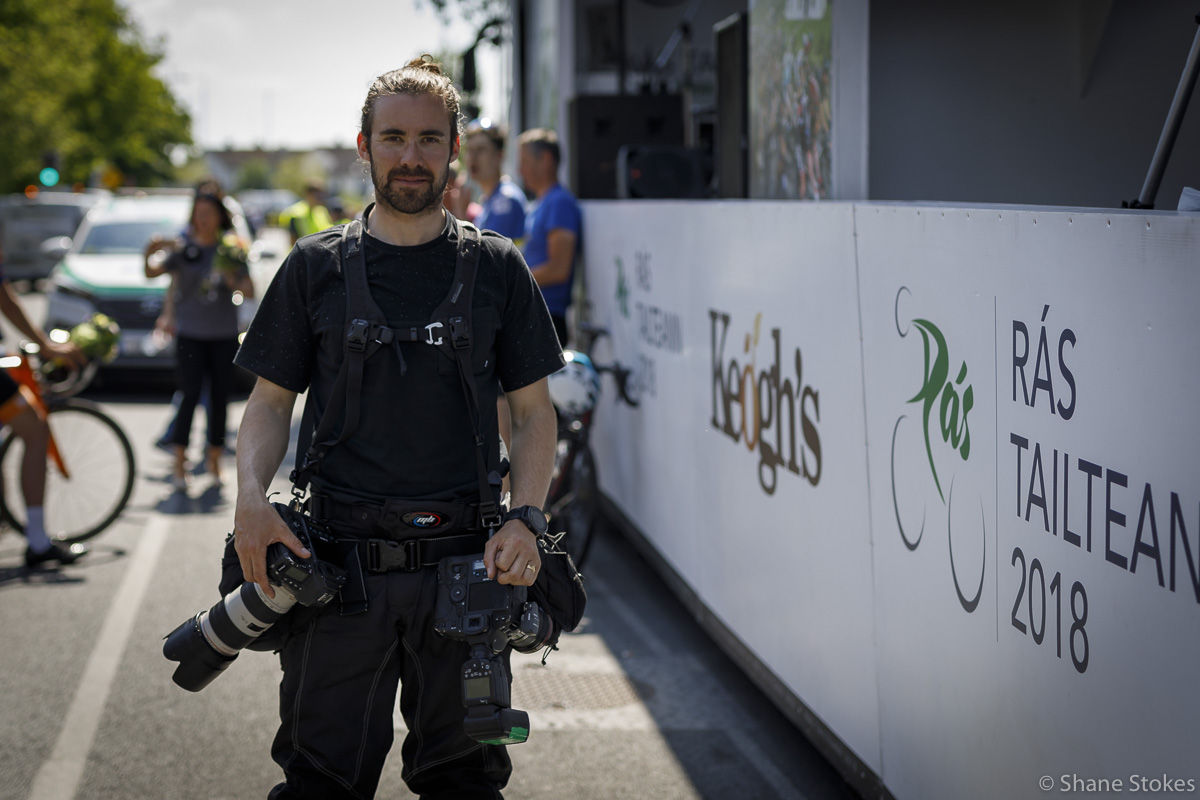
Former international cyclist and Olympic triathlete Bryan Keane pictured working for Inpho as race photographer at the finish of stage six of the 2018 Rás Tailteann in Carlow (Photo by Shane Stokes all other photos, unless stated, by Bryan Keane)
Bryan Keane turns photographer after cycling, triathlon career
By Shane Stokes
Each year the Rás Tailteann provides dramatic scenery and gripping racing; this time around, the addition of some excellent weather last month helped provide some stunning photographs.
However, there was another important element ensuring top-notch race images: the cycling background of the official race photographer, Bryan Keane.
Employed by the Inpho sports agency but commissioned to work for the Rás during the race, Keane captured many stunning shots.
His work helped share the unique nature of the event throughout Ireland and beyond.
Keane raced for many years; riding four Rásanna, including one edition as part of the Irish national team.
Advertisement
He was even more successful as a triathlete, switching to that disciple in more recent years and representing Ireland with distinction on the international stage.
Making the Olympics in Rio 2016 was a fitting reward for years of dedication and hard work.
Stickybottle spoke to him recently about his sporting career and how that helped him photographing his first edition of the Rás.
“I have always been into cycling and always watched it, but I only really started when I was 20, 21,” he says.
“I had been running in the meantime. I ran internationally and ran world cross and European cross.
“I’d done all that and nearly went to America on a running scholarship. But I didn’t love running enough. I went to college to study Fine Art in UCD, but quit. I’d had enough."


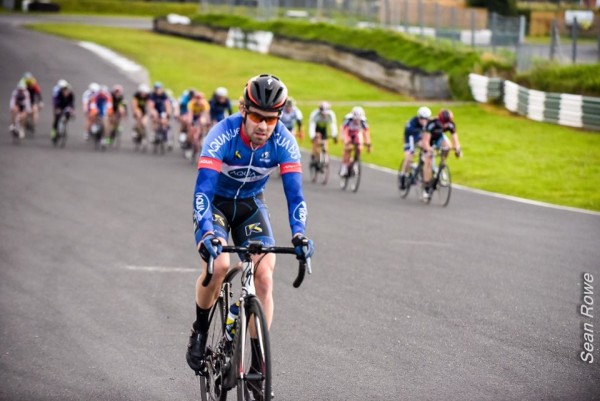
Bryan Keane in bike and run mode for Ireland during a very successful international triathlon career. And taking in some bike racing at Mondello not long before he secured qualification for the 2016 Olympics. He made the grade after a really courageous return from serious injury (Photos with thanks to Inpho and Sean Rowe)
Keane focussed for several seasons on cycling. He had some solid results, but also feels that he didn’t achieve as much as he might have.
“I messed up Rás Mumhan one year when I was leading it,” he said. “I had yellow and I missed the start of the time trial.
“I ended up fifth overall. So that was pretty annoying. I had sixth one year in the nationals, being the first Irish-based rider home that year.
“Other than that, I got fourth in a kermesse in Belgium one year. Again, coming late to it, I learned a lot. I made a lot of mistakes,” he laughs.
“I was a bit too honest as a rider at the time, but that is how it is.
“As regards the Rás, I did it four times. I went okay on one stage up Seskin Hill, but never [did anything major]. I think it was just getting to grips with stage racing, that took a while.”
When Keane took the decision to focus on triathlon, his real sporting potential emerged. He was already a good runner and cyclist, and was also able to swim.
“You can’t win the race in the water, but you can lose it,” he says. “You can’t win a race without being able to run.
“Thankfully I had a background in running, it was something I was able to do pretty well. I ended up putting them all together.”
Things worked out very well for him. He notched up a total of 23 top ten placings at elite ITU triathlon events.
He also won multiple Irish national titles, and took the ITU European Cup race staged by TriAthlone in 2009.
“I finished seventh in the World Sprint Championships in 2010,” he says. “I think I have five European Cup medals.
“I have two World Cup medals, a second in a World Cup as well. I think in total I had seven podium finishes at a European or world level.
“My best result would be that seventh place in the world champs. But I got knocked out seven weeks afterwards.”
Keane was hit by a car while training and suffered a bad fracture to his kneecap. That cost him his place in the London Olympics and took a long time to get over.
Returning to racing, was, he says, what he refocused on.
“It took me two years to get back racing. That was all I wanted to do, and I was lucky enough that I did get back racing and finished out my career,” he says.
“I took care of some unfinished business. Whether I did it at the level I wanted to do it, in terms of being as competitive as I once was, probably not…but I was still able to compete on a world stage.”
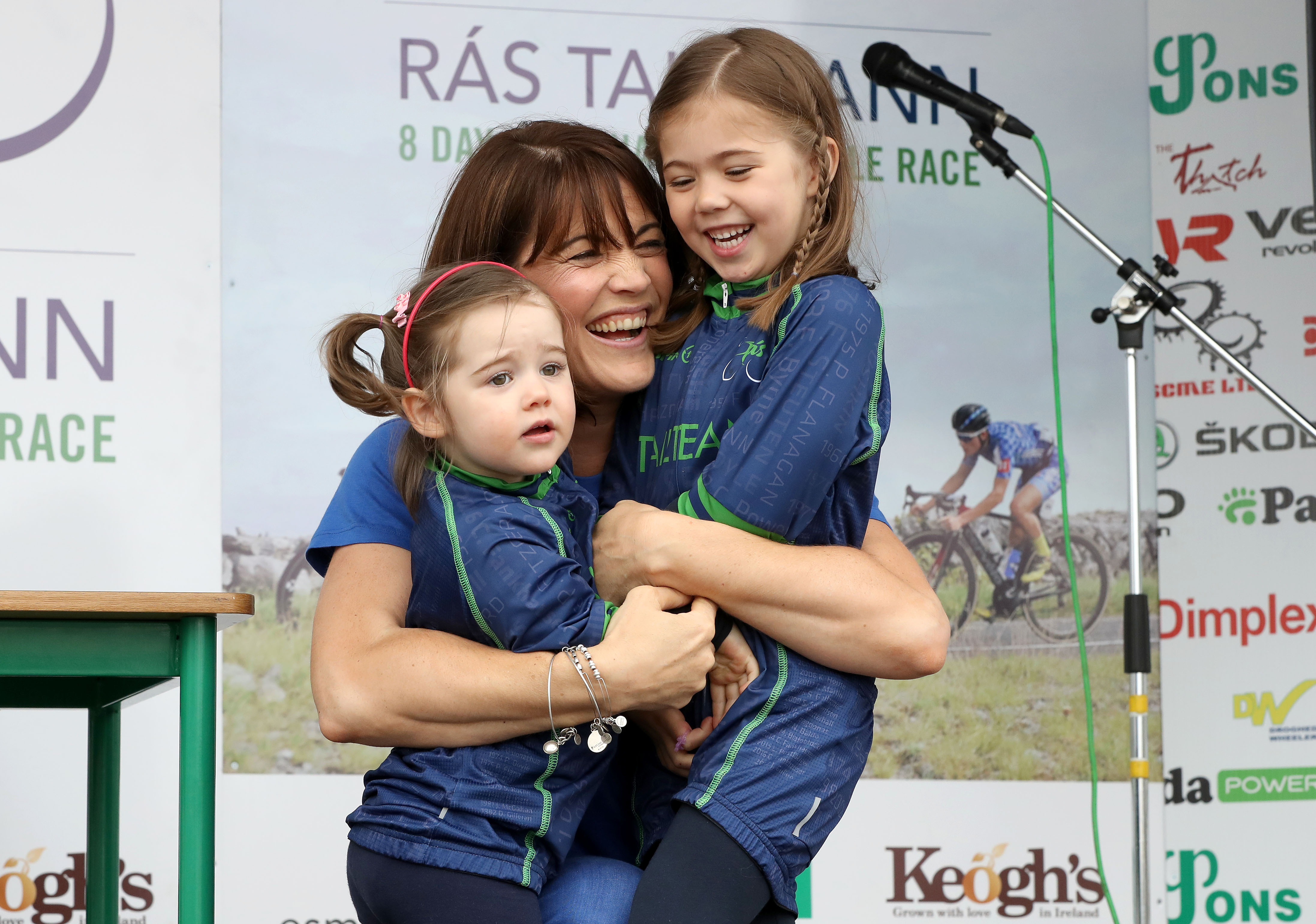
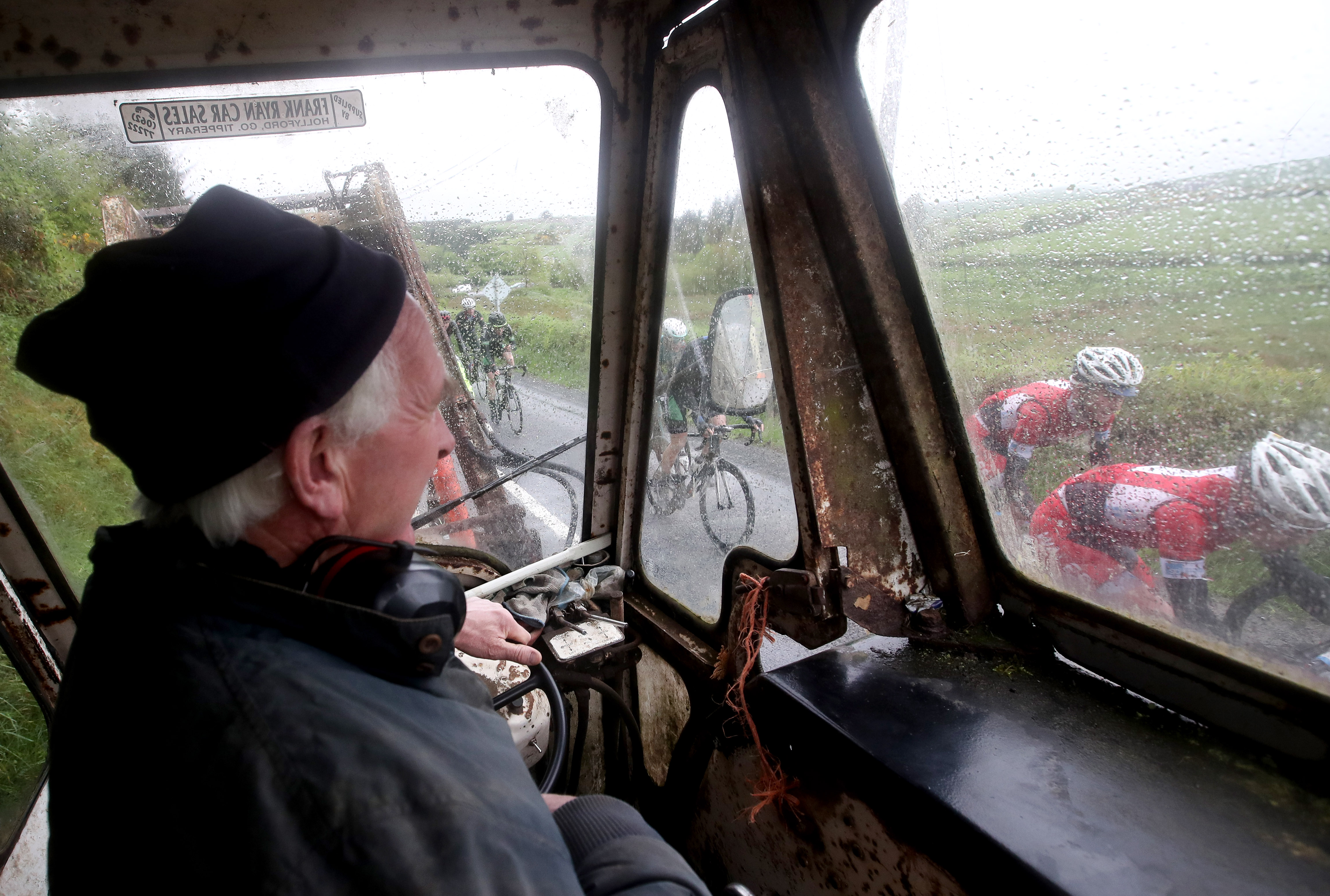
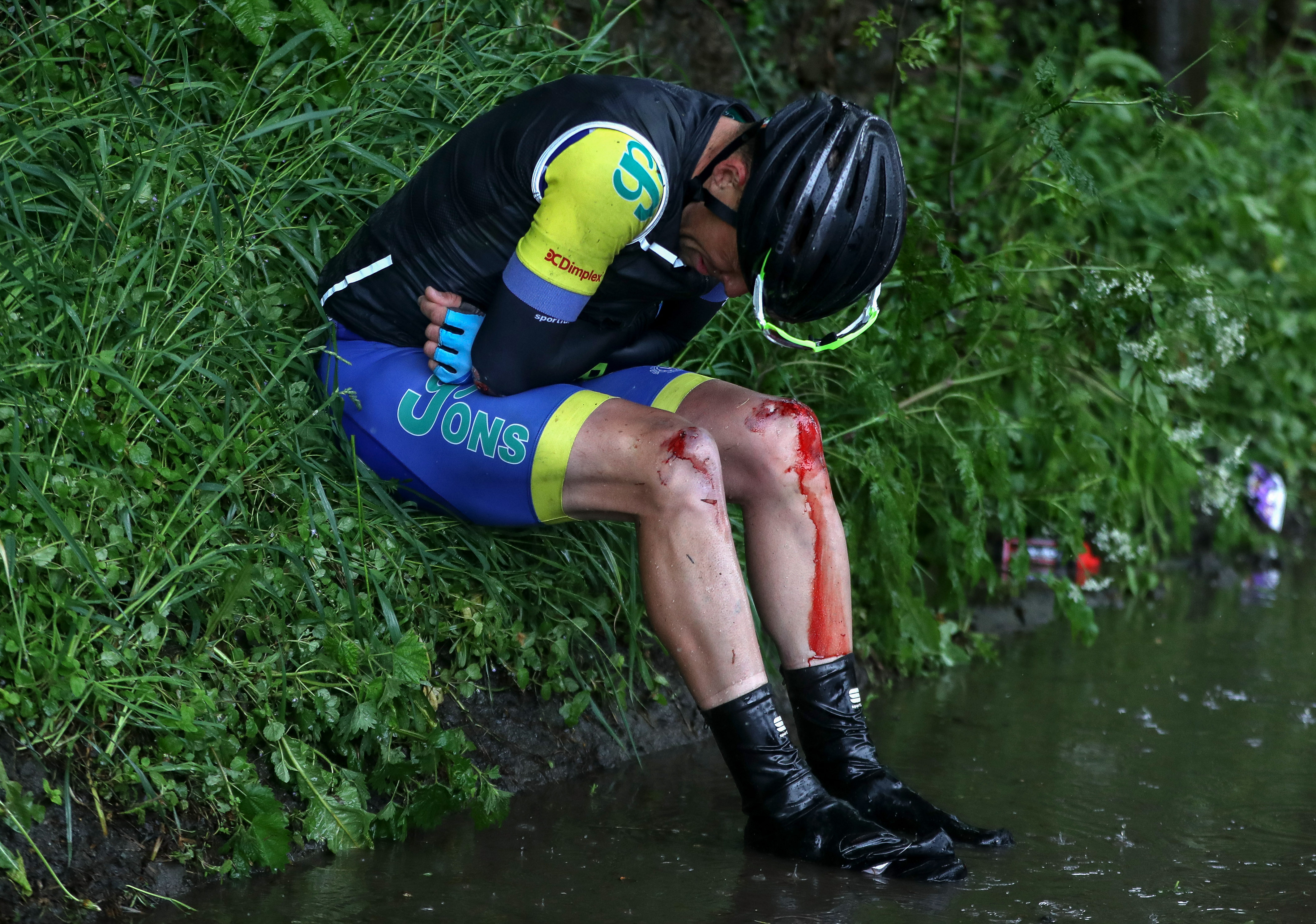
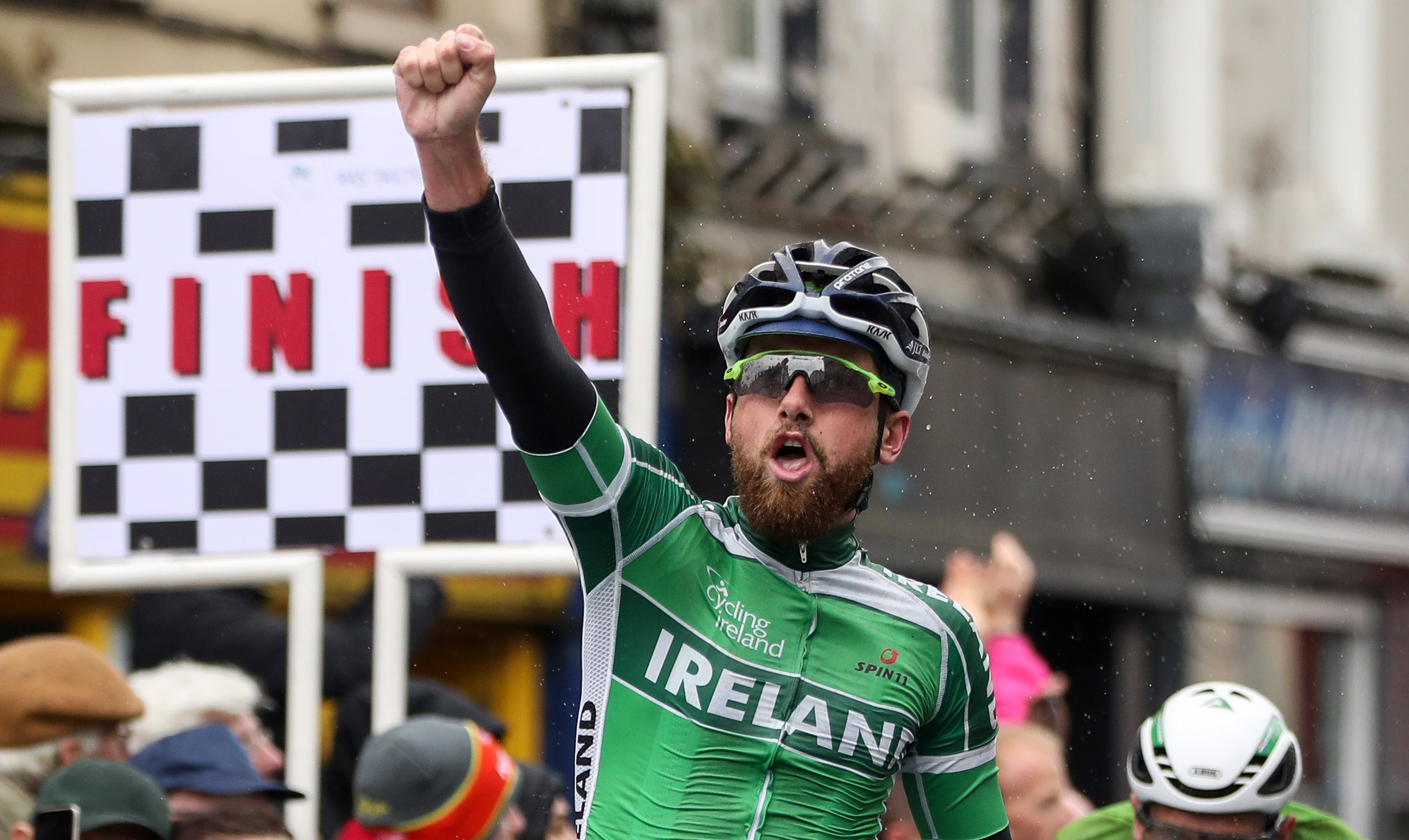
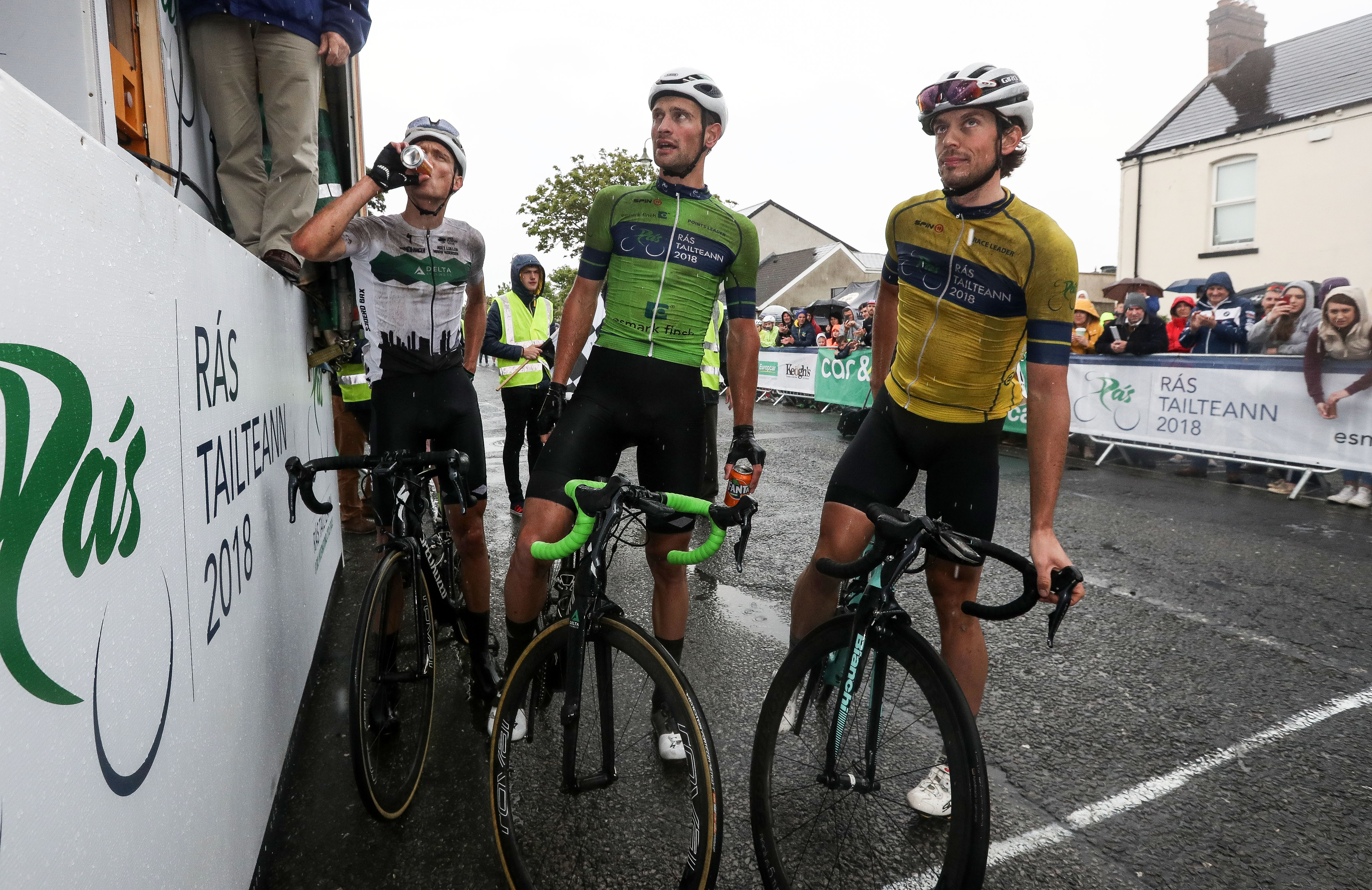
Keane got his shots of glory and disappointment on the Rás. But he also understood the spirit of the race and the country it traverses. He showed his news hound credentials too; on the spot when the big story broke on the final day as the race was won and lost at the death by a single second.
Keane finished 40th in the Rio Olympics and while he initially planned to keep racing afterwards, he decided several months later to reconsider.
He said that getting married was one factor; related to that, not wishing to spend so much time away from home was another.
And so too the realisation that he didn’t want to keep racing too long.
“I had fulfilled a childhood dream of going to the Olympic Games and I had some good results,” he explains.
“Sure, I thought I can do better, but for what purpose? I had done what I did, had a great career. So it was best to go out on a high.
“You see too many athletes go out and drag the ass out of their career and end up regretting it, not going out on a high point.
“They race mediocre for a year or two, thinking they were going to perform better. I didn’t want that for me.”
A new start
Many athletes struggle to adapt after the end of their careers. There is a huge change in lifestyle, with the obsessive training-racing routine suddenly gone.
There can be a physical withdrawal from exercise, and there can be a loss of self-identity.
However Keane landed on his feet, getting an unexpected opportunity handed to him. He grabbed it, and he thrived.
“I had a three, four month period where it was like, ‘what am I going to do?’ Then all of a sudden I found something that I could throw myself into.
“It was something that I was passionate about. I was always into photography, having had two years in Cork as a photographer before starting triathlon.
Related News


“I did news and sport, doing a lot of work for the Evening Echo and the Examiner. Things like that.
“Then, a few months after I retired, I asked to meet up with the photographer Dan Sheridan. I sat down, had coffee, and the next thing I knew Inpho gave me an opportunity to start with them.
“Moving on after a sporting career can be a very hard transition for people, so I was lucky that that things were made easier by having contacts and knowing some people. Also, in them having faith in my ability in the work that I went out to do.”
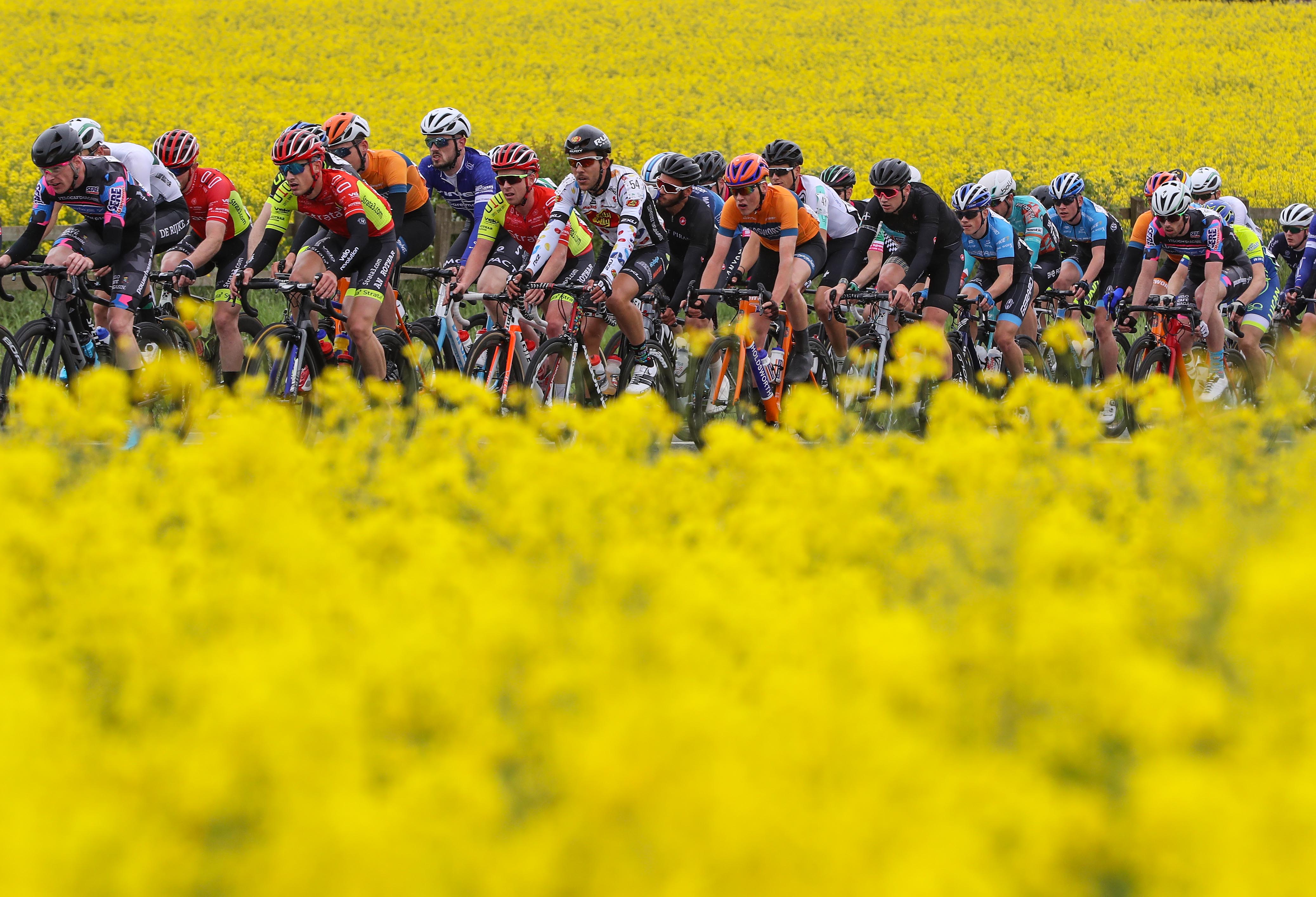
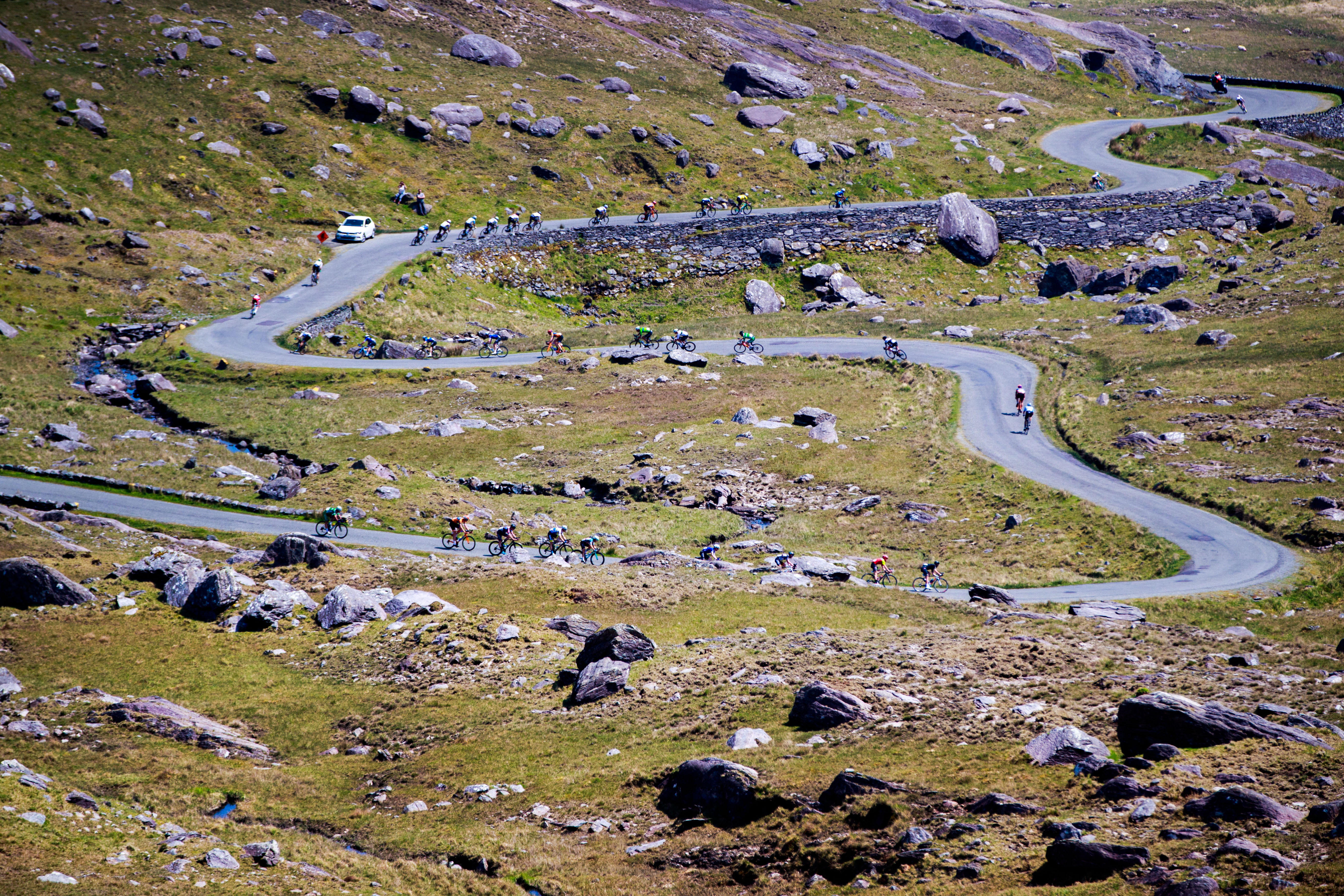
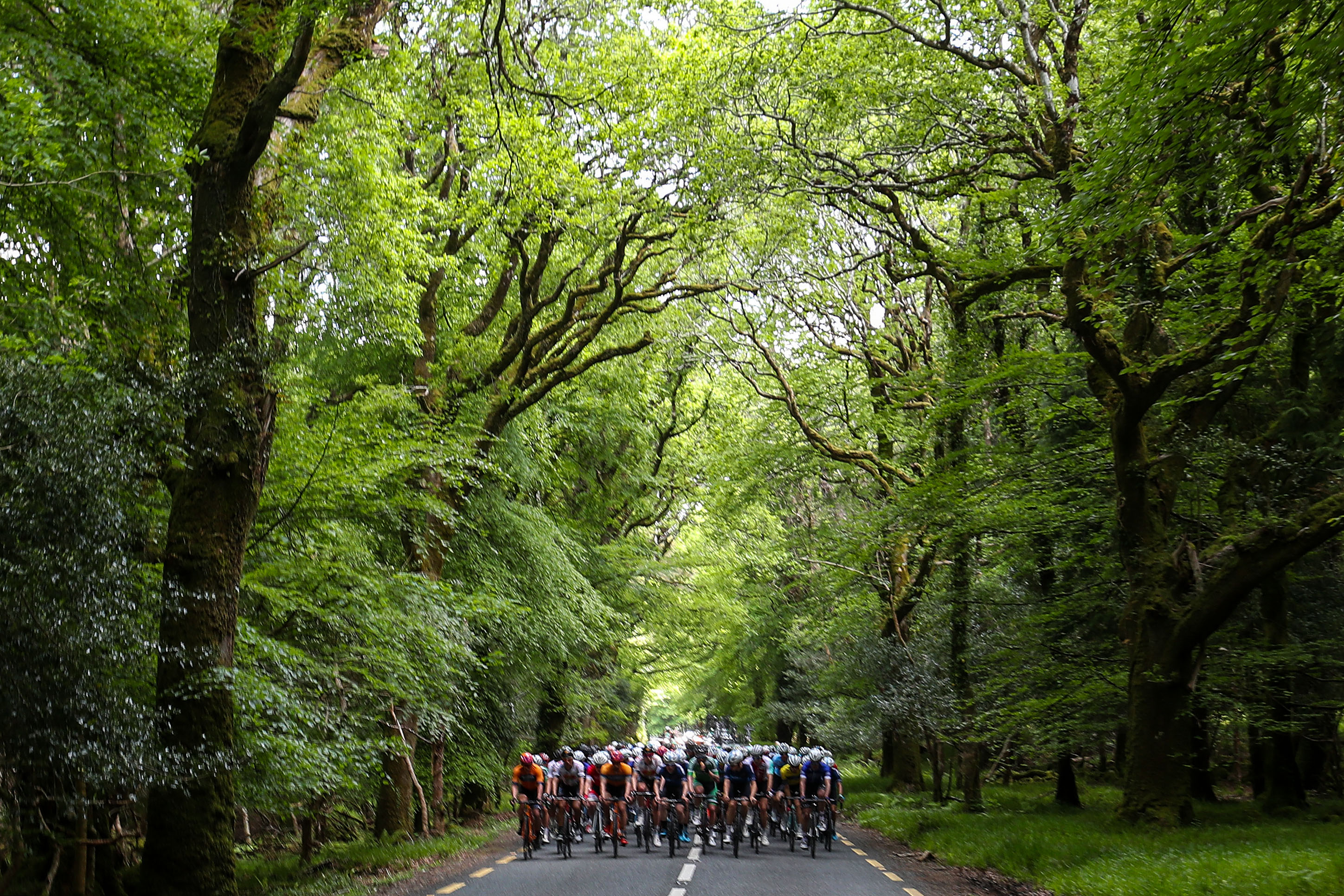
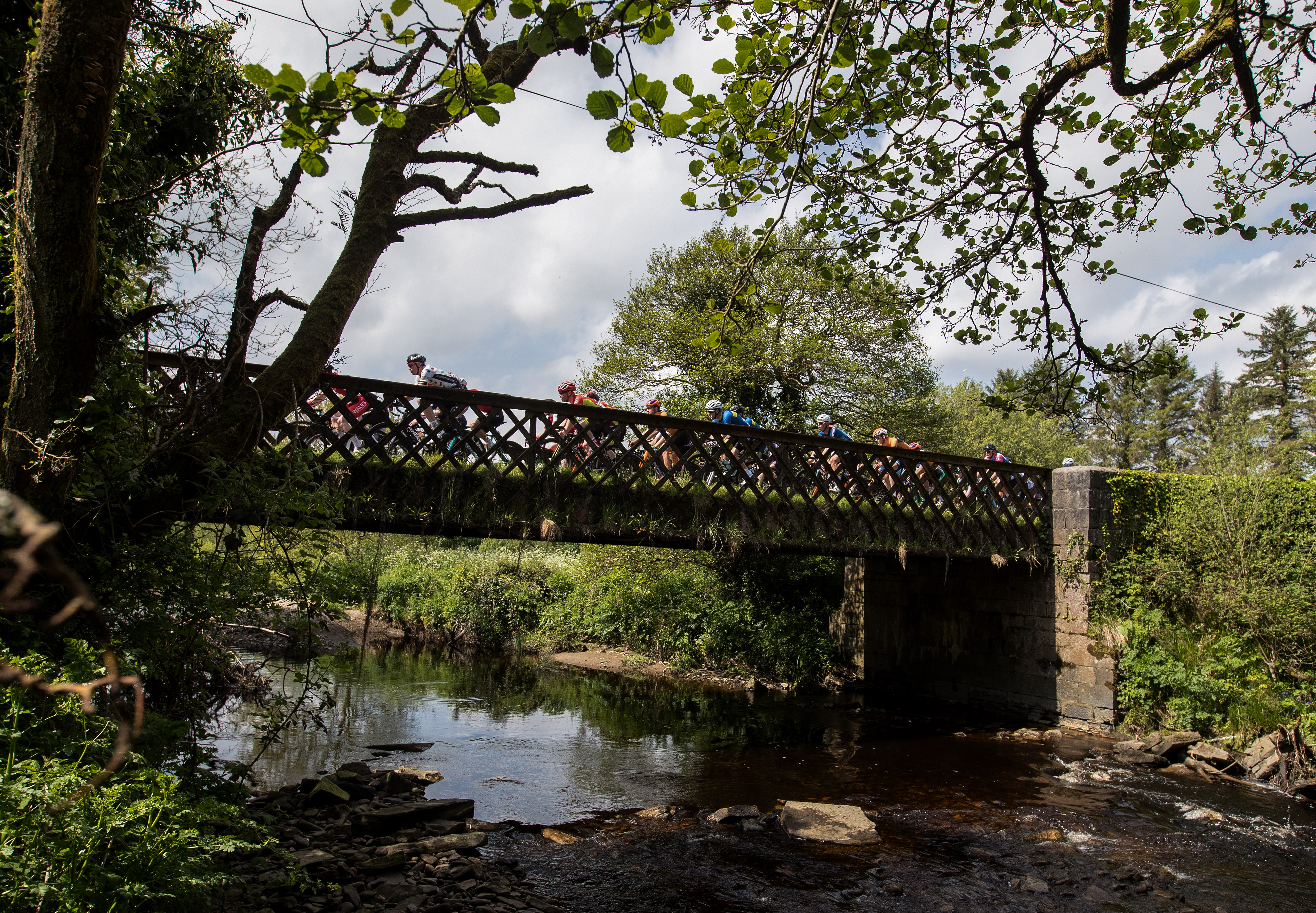
Keane allowed the stunning countryside take centre stage when required; bringing variety to his shots that went well beyond the racing.
Keane was a hard worker during his sporting career and said that he applied the same “gusto and enthusiasm” to photography. His talent at the medium plus the hard work he put in led to some good progress.
“You are doing something that you love, you finish up with something that you love to do and you are searching for the next thing.
“I was very lucky that photography was always something that I loved. Whether it was sports photography or commercial photography or whatever it was, or wherever I was going to end up in, it was something creative, something in that realm.
“So I was very fortunate when that opportunity happened, it made the transition much smoother.”
His work with the agency saw him shoot a huge range of sports, including the rugby Grand Slam, GAA, soccer, Ireland’s swim nationals; even blind tennis, which he describes as perhaps the most bizarre gig he has done.
Returning to the Rás
Because of Keane’s cycling background he got the nod for this year’s Rás, and found it an incredible experience.
“I wouldn’t want to shout it too loud, but I think myself and Pat O’Shaughnessy, my moto pilot, we had the best job on the race, the best seat in the house,” he says.
“We are so, so fortunate. I love what I do, and to be taking pictures of cycling is a double bonus. Because you love the sport of cycling, and you are up and down the road.
“You go from bunch to break, through the break and to the stage finish. You get to see everything. I am very, very fortunate.
“And I realise how lucky I am to be in that privileged position. Particularly with the history of the race, having seen it and done it. It makes it all the sweeter.”
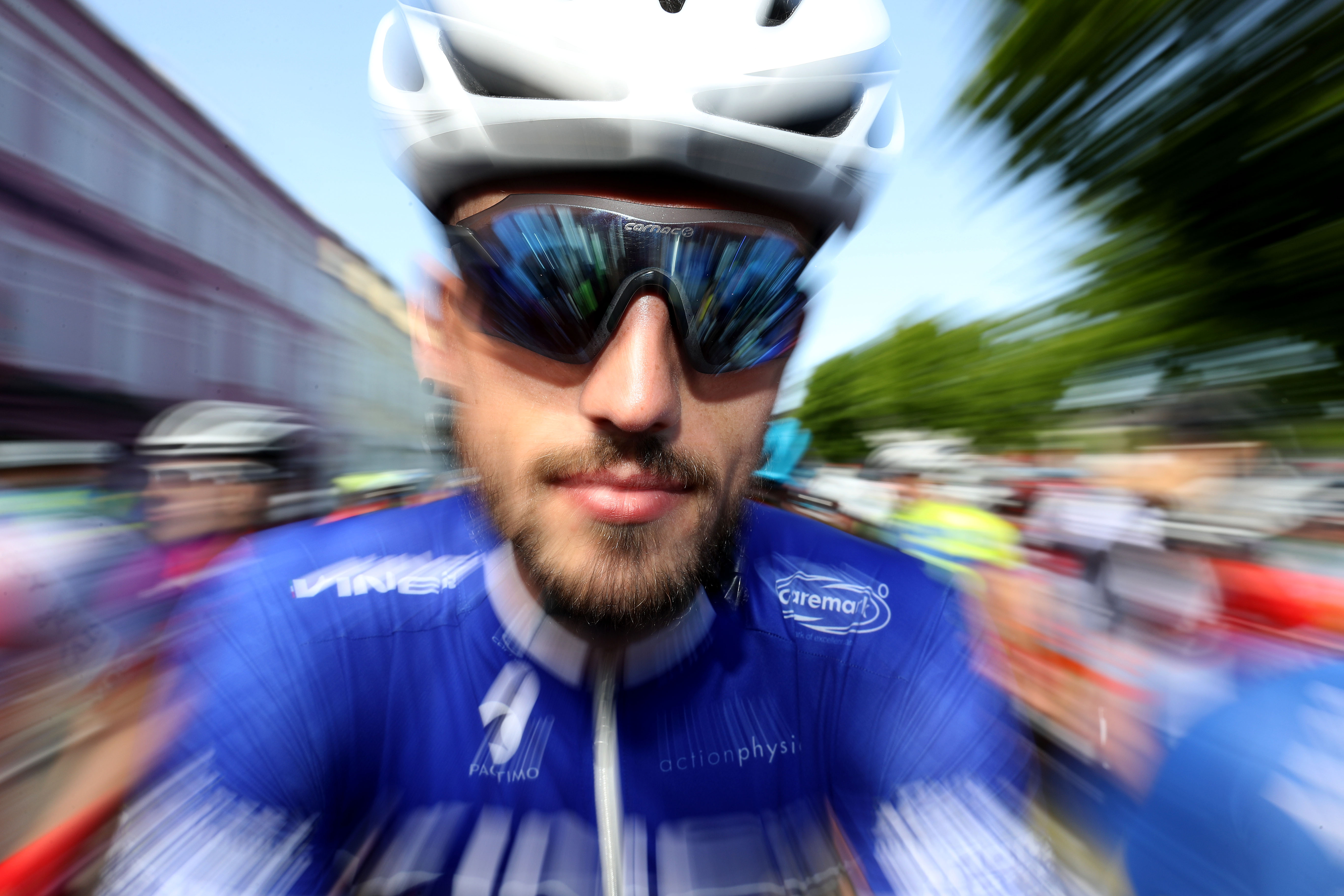
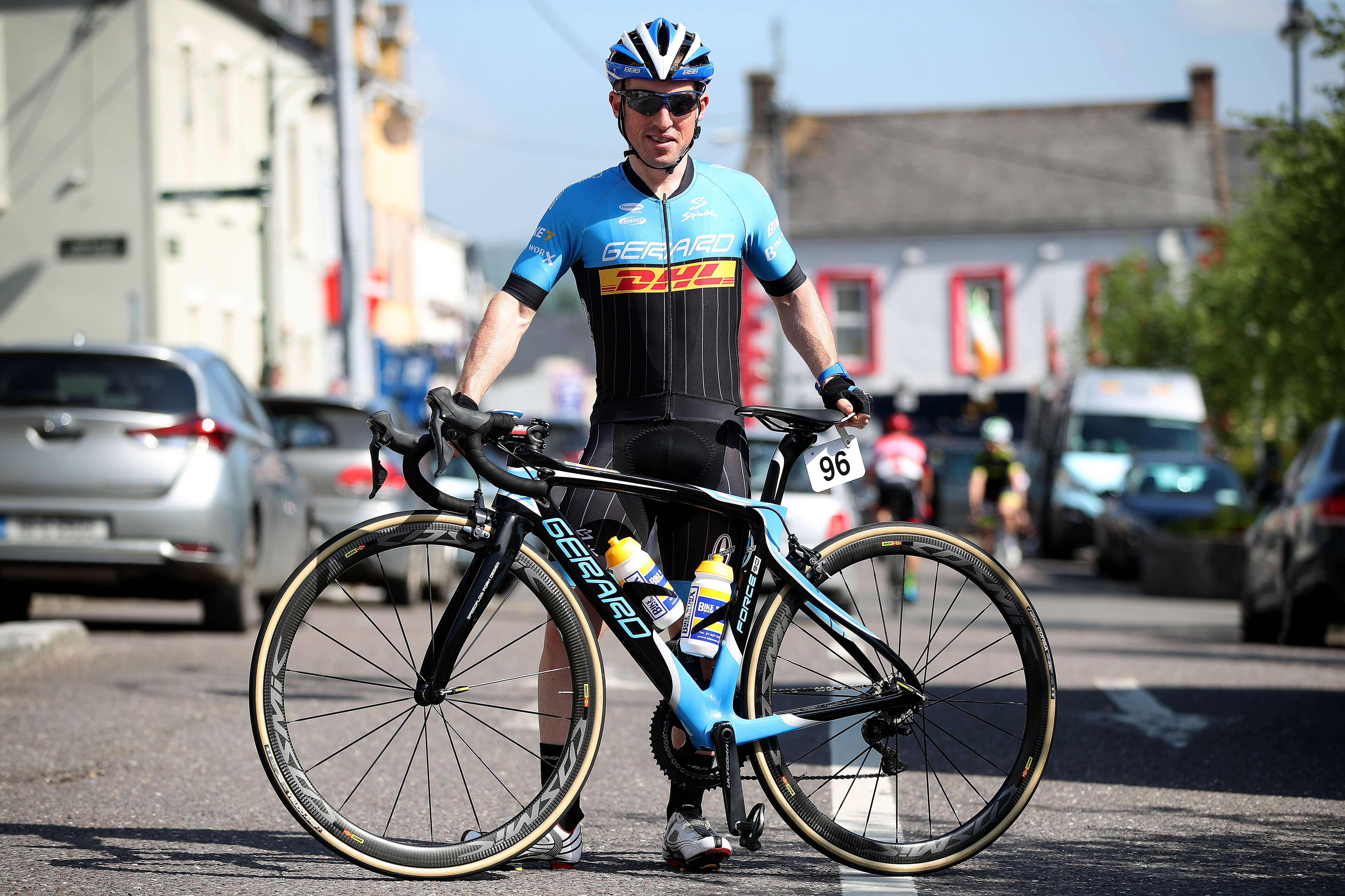
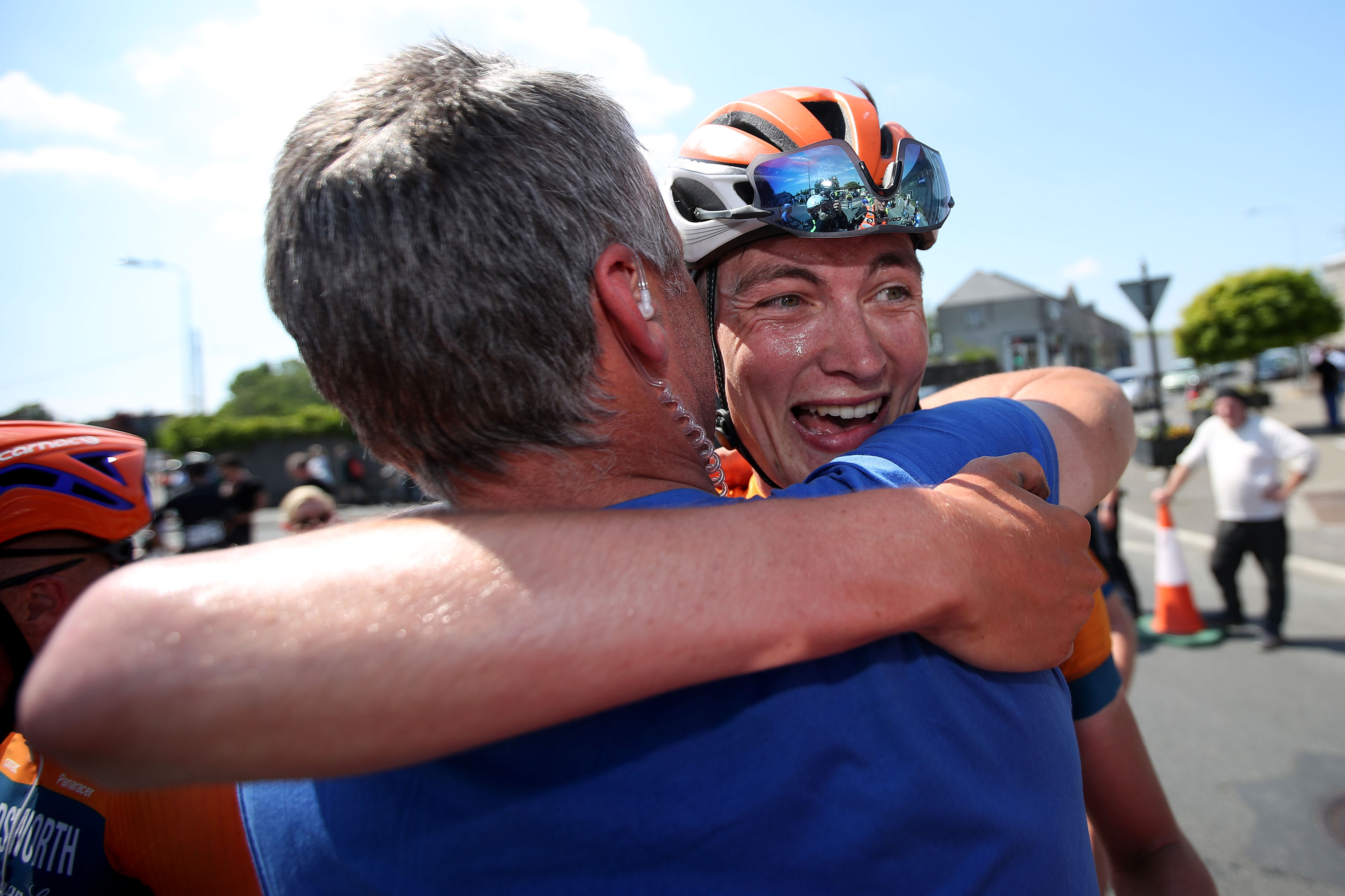
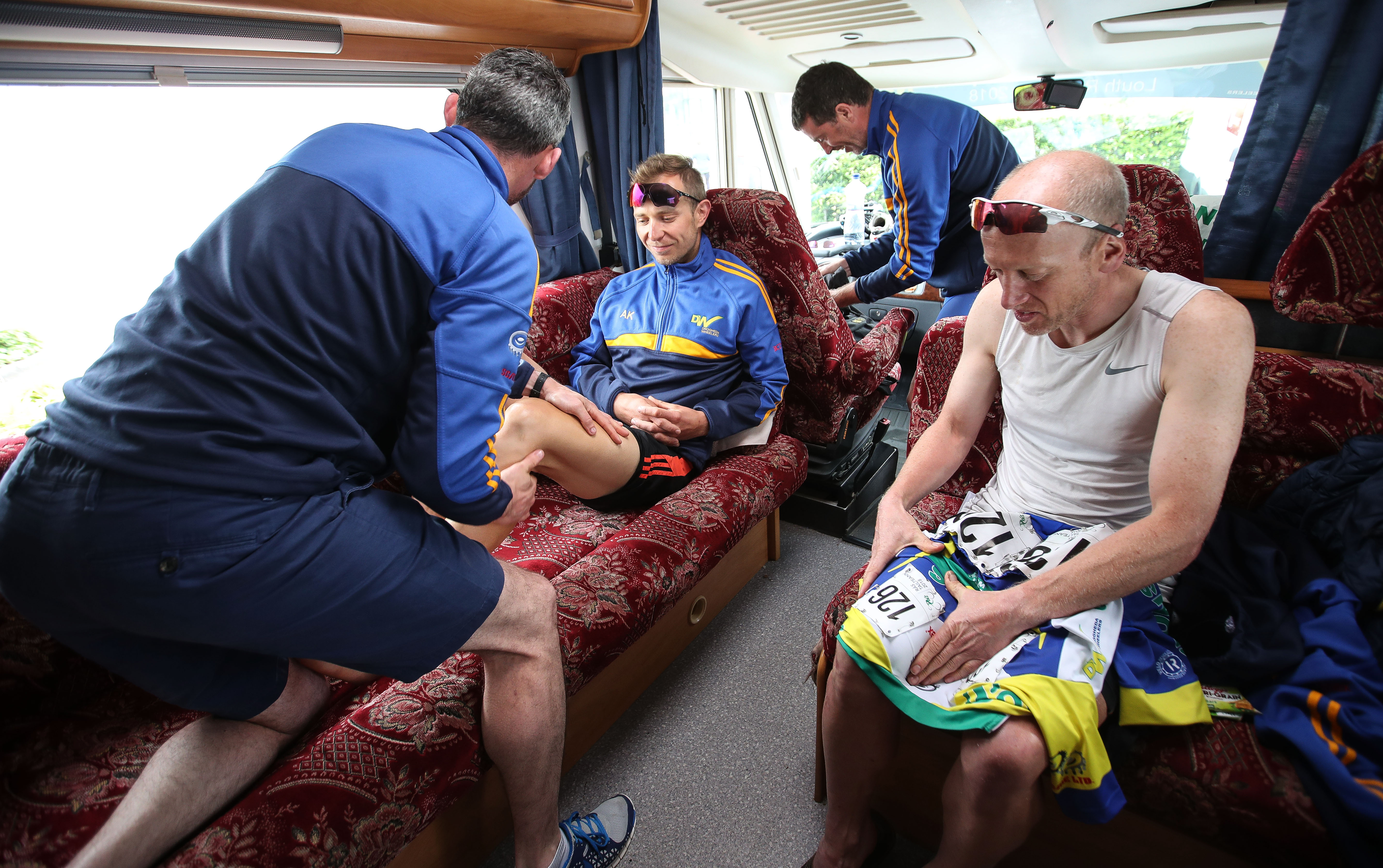
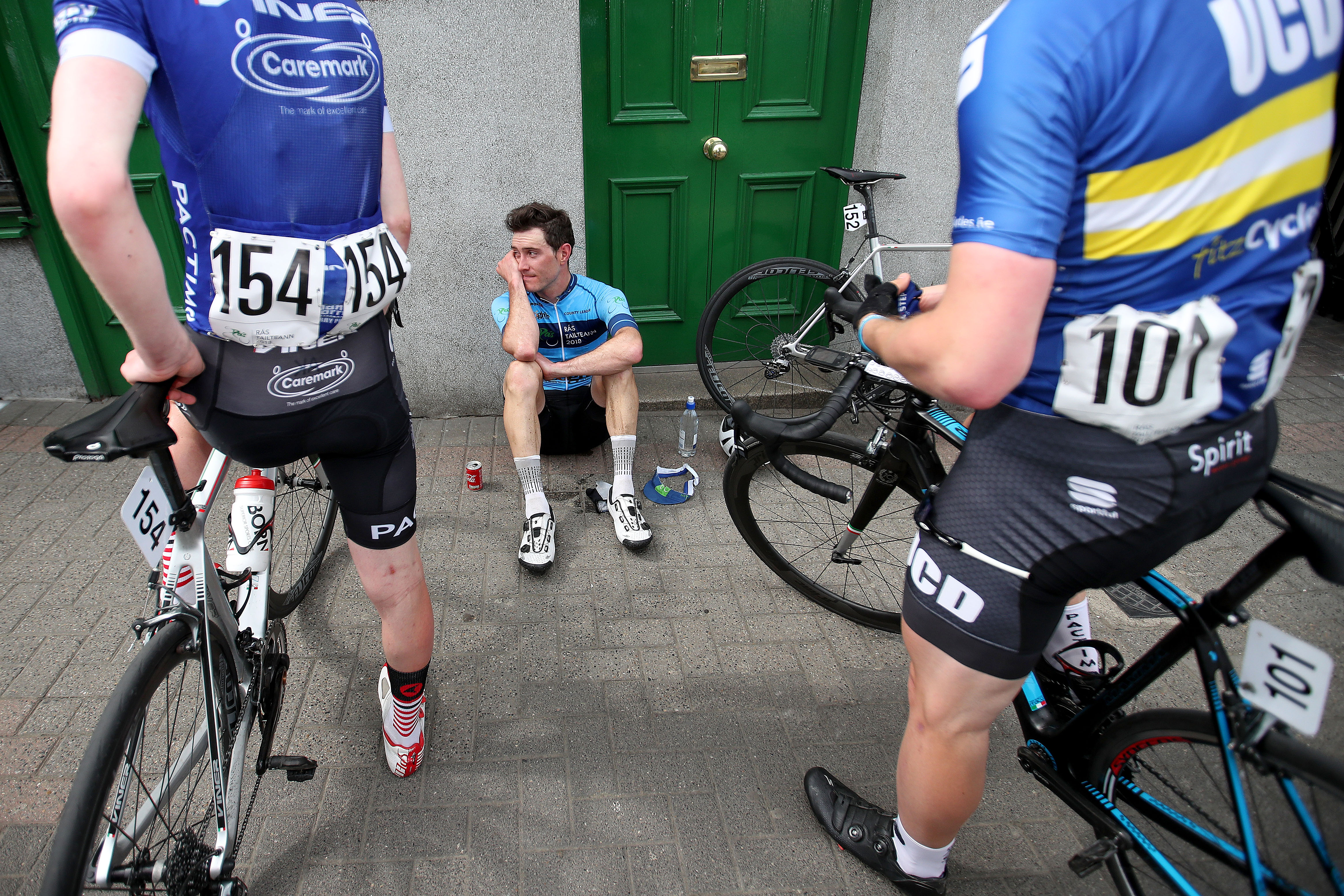
Keane got some fantastic shots of the Irish riders. They have always been, and will always be, the backbone of the race.
Keane says that a goal each day of the race was to create the best imagery possible. He sees this as looking for scenic images, photos with a ‘wow’ factor.
Asked which photographs gave him a real sense of reward, he mentions one of the early images he got.
“On stage one, there was the rapeseed field up near Trim. It got really good usage and it was a lovely picture. It looks like the Tour de France is in Ireland. That’s a way we see Ireland in another light.”
Evocative of the famous photos of sunflowers from the Tour, he said that there was some important planning behind it.
“I would know some of the route, having ridden a few races in those areas,” he says.
“I knew the field was there and went up the day before, walking into the field to check it out and to work out where the best picture would be for that.
“I realised that the rapeseed, some of them grow about six feet tall. So I just need to get a bit higher than this. Driving up the morning of the race, I stashed a three foot ladder in the field just so I could get the shot.
“So it was lovely to get usage in the three national newspapers on that day with that particular picture.
“It is planning like that which can make the difference. You prep for what you are doing, you go at it with the same mindset as with the sporting career.
“To do a good job, you have to be prepared and that is what I was trying to do as much as possible.”
As much as planning is important, Keane says that looking out for random images is also key. Some photos just present themselves and being able to respond is very important.
“It is thinking on your feet, knowing what is a good picture, what is an interesting picture, what works and what doesn’t.”
Amongst his many other stunning shots from the race are some from the Healy Pass. The rugged terrain provides the perfect backdrop, while the twists and turns of the road gives photos an added drama.
“The Healy Pass is a funny one,” he says. “There are so many shots that you can get on the Healy, but obviously it is all about timing.
“To get the shot that I really wanted, you have to be ahead of the bunch and you forgo them on the climb and you also forgo them at the top to get a shot that is a quarter of the way down the climb, where you get this lovely criss-crossing of riders.
“They go over this little bridge, there are three sets of hairpins all there and it makes for a really spectacular shot.
“Or else you go to the first corner where they are going to crash…there will always be a crash which there was that day as well with that off-camber 180 degree left.
“It just happened that I couldn’t get that shot that day. I happened to be up top, and the up top shot is really, really nice as well.
“It is something different. The Healy any day, even in bad weather, is a special part of the world.
"If the riders are coming up it or going down it, you still get something spectacular with the road, the way it twists and snakes all over. It is our answer to whatever the sport’s biggest climbs are.”
As regards the future, Keane says that he’d love to cover one of cycling’s Grand Tours, as well as the Volvo Ocean Race in sailing.
“There are things like those that are really big events… Things that are unique. Whether I ever get to do them, I don’t know.
“But there are two that would stand out at the further end of extreme. Nine months on the water to 21 days at a bike race. I’d love to work on either.”
Specific events aside, he’s got a more general goal.
“I am just a year in a job at the moment. I just want to continue to improve as a photographer,” he says.
“I still have a long way to go, I still have a lot to improve on and get that real consistency.
“Like anything, it is the same as training. The more you do it, the better you get. The more you shoot, the better you get.
“It is easier to shoot a sport that you know, but being a really a good is being thrown into something that you don’t know and being able to get really good shots.”
That may be the case, but returning to familiar surroundings again on next year’s Rás will be something he’ll grab with both hands.
Photographing this year’s race was a blast for Keane; doing so again in 12 month’s time would give him further chance to chase some very memorable shots.
Topics


